A few years ago, I made a mistake I’ll never forget. In an effort to impress my girlfriend for our anniversary, I decided to buy her a Cartier watch. However, struggling financially, I opted for a replica instead of saving for the real deal. I convinced myself that she wouldn’t notice the difference and that it would still convey how much I cared for her. I wrapped it beautifully and presented it to her with genuine excitement. For a brief moment, her face lit up with joy.
However, that joy was short-lived. Just a week later, while out with friends, a watch enthusiast pointed out the obvious flaws in the replica cartier watch’s craftsmanship. My girlfriend was devastated. The look of betrayal on her face was something I’ll never forget. It wasn’t merely about the watch; it was about the dishonesty behind it. Instead of feeling loved and cherished, she felt deceived. That moment of excitement quickly turned into disappointment, and my thoughtless choice led to a significant rift in our relationship.
This experience taught me a valuable lesson about authenticity. While I believed I was saving money and still expressing my love, I ended up causing more harm than good. Since then, I’ve vowed never to compromise on genuine expressions of affection. A real gift, regardless of its monetary value, is far more meaningful than a cheap imitation.
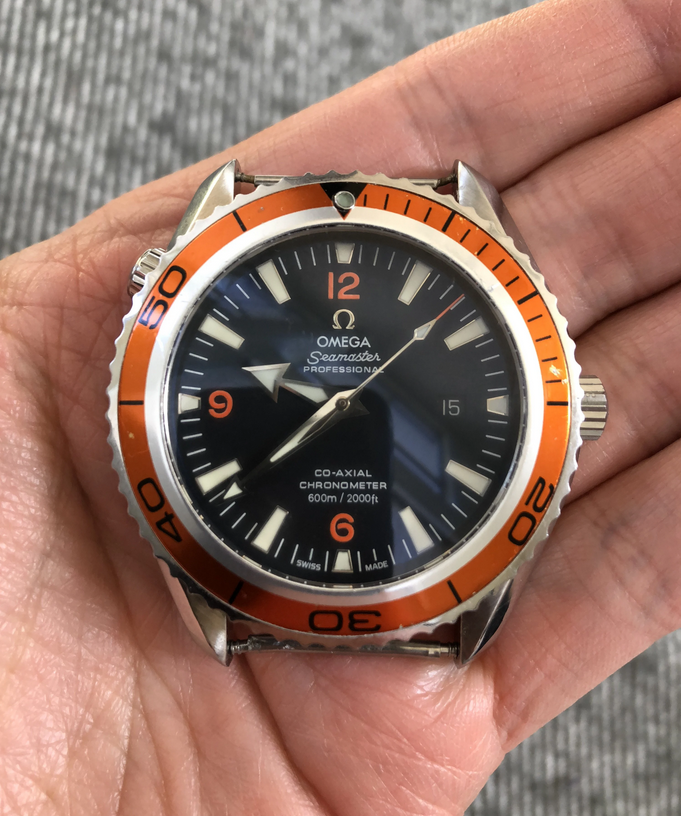
I recently purchased a replica Omega watch, thinking I was getting a great deal. The initial excitement quickly faded. The quality was noticeably inferior; the weight felt cheap, the movement was clunky, and details like the dial and hands were clearly off. It simply didn’t feel or look like the genuine article.
The disappointment went beyond the poor craftsmanship. Wearing the replica felt dishonest, a constant reminder of trying to pass off something fake as real. It lacked the prestige and satisfaction associated with owning an authentic Omega. The feeling of owning a counterfeit overshadowed any perceived savings.
Ultimately, the Omega replica proved to be a costly mistake. I ended up losing money on a poor-quality product that never lived up to expectations. Save your money and invest in the real thing; the difference is significant and worth the cost.
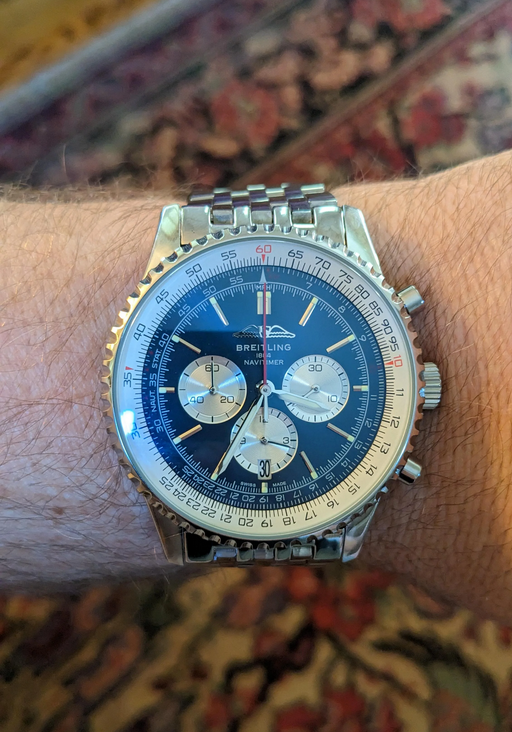
I’ve always admired Breitling watches. The craftsmanship, the history, the robust design – they represent a certain level of quality and achievement. For years, I coveted a Navitimer, but the price tag was, frankly, prohibitive. So, I did what many people in my situation do: I looked for a cheaper alternative. I fell into the trap of buying a replica. And let me tell you, it was a mistake I deeply regret.
The initial allure was strong. The website promised an almost indistinguishable copy, boasting high-quality materials and meticulous attention to detail. The price was a fraction of the genuine article, and the pictures looked stunning. I rationalized it; it was just a watch, after all. What difference could a few hundred dollars really make? A significant difference, as it turns out.
The first problem emerged almost immediately. The watch arrived, and while it superficially resembled a Breitling, the flaws were glaringly obvious upon closer inspection. The weight felt off; it was noticeably lighter than I expected. The movement, even though advertised as a “high-quality replica,” was clunky and inconsistent. It gained and lost several seconds every hour, rendering it unreliable. The purported sapphire crystal felt cheap and scratched easily. The clasp, supposedly made of stainless steel, tarnished within weeks.
Beyond the technical flaws, the emotional disappointment was far more profound. Wearing the replica felt…cheap. It lacked the satisfying weight and the confidence that comes with owning a genuine, well-made timepiece. Every time I glanced at my wrist, instead of feeling pride, I was reminded of my poor decision. It was a constant, nagging reminder of my attempt to shortcut the path to luxury, a shortcut that ultimately led to a dead end.
Beyond the personal disappointment, the ethical implications weighed heavily on me. I knowingly supported an industry that profits from counterfeiting and intellectual property theft. This is not a victimless crime; it harms legitimate businesses and their employees.
In the end, the replica Breitling ended up in a drawer, a silent testament to a poor choice. It serves as a constant reminder that some things are worth saving for, and that true value lies not just in appearance, but in quality, integrity, and the satisfaction of owning something authentic. If you’re considering buying a replica Breitling, or any replica luxury item for that matter, please heed my warning: don’t do it. The short-term cost savings are far outweighed by the long-term regret and the ethical compromises involved. Save your money, and invest in something genuine. The difference is night and day.
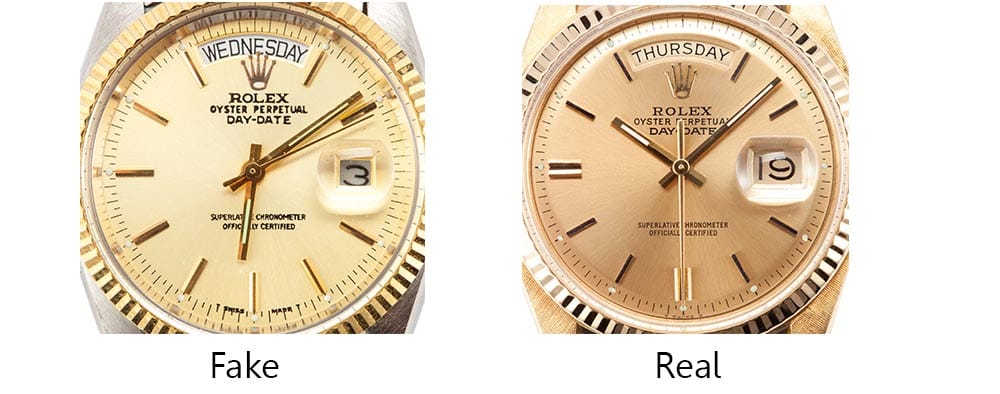
The allure of a Rolex is undeniable. Its prestige, craftsmanship, and iconic design attract many, but the hefty price tag often leads some to consider cheaper alternatives: replica Rolexes. While the initial cost savings might seem tempting, buying a replica watch is a decision fraught with far more significant consequences than simply a financial loss. This article will detail why investing in a replica Rolex is never a worthwhile endeavor.
Legal Ramifications: The most significant risk of owning a replica Rolex is the potential legal repercussions. The sale and distribution of counterfeit goods are illegal in most countries, and purchasing a replica, even unknowingly, could expose you to legal action. This could range from fines to more severe penalties depending on the jurisdiction and circumstances. The legal complexities and potential costs associated with defending yourself against such accusations far outweigh any perceived savings from buying a fake.
Ethical Considerations: Purchasing a replica watch a black market that thrives on intellectual property theft and undermines the hard work and dedication of legitimate businesses. By purchasing a counterfeit, you are directly contributing to unethical practices and potentially harming legitimate businesses.
Quality and Durability: Replica Rolexes are notoriously inferior in quality and durability compared to their genuine counterparts. The materials used are often substandard, leading to poor performance, premature wear and tear, and a shorter lifespan. You’ll likely end up spending more money on repairs or replacements in the long run, negating any initial cost savings.
Social Implications: While a genuine Rolex might be seen as a symbol of success (though this is debatable), a replica is often easily identified by those knowledgeable in watches. Being caught wearing a fake can be embarrassing and potentially damage your credibility. It can convey a lack of integrity and undermine your trustworthiness.
Financial Loss: Despite the lower initial cost, you stand to lose your entire investment in a replica. There’s no resale value, unlike a genuine Rolex which, although depreciating, still holds some residual worth. Therefore, a replica represents a complete loss of your money.
Damaged Reputation: The association with fake goods can tarnish your personal and professional reputation. If you’re involved in business or any profession where integrity is valued, being linked to counterfeit products can have severe consequences.
In conclusion, the perceived financial benefits of purchasing a replica Rolex are completely overshadowed by the numerous risks and downsides. The legal, ethical, and social consequences, coupled with the inferior quality and lack of resale value, make it a poor decision with long-term repercussions. Investing your money in a genuine timepiece, even a more affordable brand, or saving up for a Rolex is always a wiser and more responsible approach.
The temptation to own a luxury watch without the luxury price tag is strong. Replica watches offer the illusion of prestige at a fraction of the cost, but this seemingly savvy purchase comes with significant ethical and legal ramifications. The production of replica watches often involves exploitative labor practices, with workers enduring unsafe conditions and receiving minimal wages. Purchasing these fakes directly supports these unethical practices and perpetuates a cycle of exploitation.
Furthermore, the distribution and sale of counterfeit goods are illegal in many countries. Purchasing a counterfeit watch exposes you to potential legal penalties, including hefty fines or even imprisonment depending on the jurisdiction and the scale of the infringement. Beyond the legal risks, owning a counterfeit watch can damage your personal reputation, associating you with dishonesty and potentially fraudulent activity.
Ultimately, the perceived savings from purchasing a counterfeit watch are far outweighed by the ethical and legal risks. Supporting ethical businesses and upholding the law should always be a priority. Investing in a genuine timepiece, while more costly upfront, guarantees quality, craftsmanship, and ethical sourcing, providing a significantly more rewarding and responsible purchase.